Tips to Keep Your Baby’s Skin Healthy
Disclaimer: Always seek the advice of your doctor regarding any questions or concerns.
A baby’s skin is soft and sensitive. Routine skin care will help to maintain the healthy skin for your little one. In this post, I would like to share some of my favorites baby’s skin care products that I usually use for my daughter. Chemicals, dyes, fragrances in clothing, detergents, and baby products can cause baby skin irritation, dryness, and rashes. There’s much you can do to protect your baby from these problems.
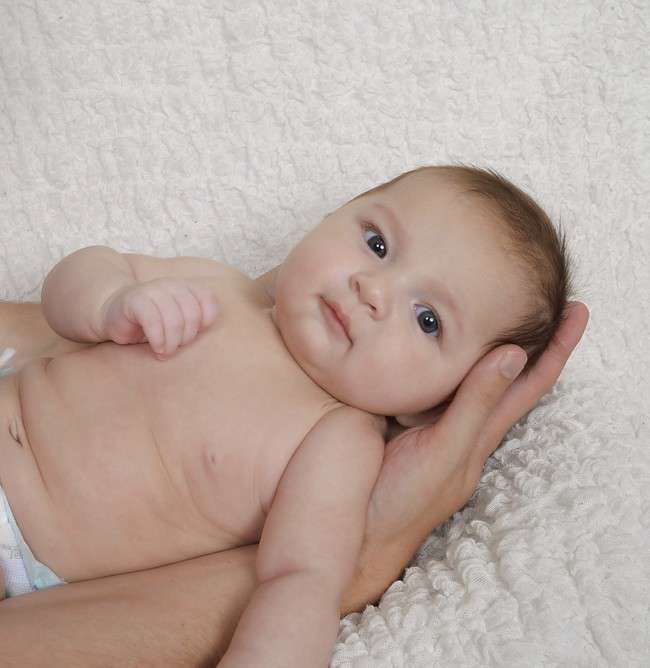
Shampoo and Shower Gel #
You take a shower every day, but babies under 12 months old really shouldn’t get a daily bath. A newborn baby is born with wrinkly skin and a protective covering called “vernix” that naturally peels off during the first week. There’s no need to bathe, rub it nor treat it.
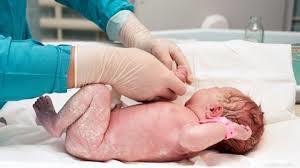
For babies more than 3 months old, three-time-a-week baths (or less) are acceptable. Frequent bathing may dry out and remove oils and other substances that protect against skin problems, such as eczema.
I usually use shampoo and shower gel products that are “nontoxic”, containing no dyes, no deodorants, no alcohols, no fragrance. Tear-free formulas are less likely to irritate baby’s eyes. After testing many brands, I chose Bebe Biafine for my daughter because she didn’t get any dandruff or any other reactions to this one. I also like Mustela, Honest, or Aveeno, which can be found at most pharmacies. You should test at least a few brands at home, and pick the best one that does not cause dandruff, dry skin or any allergic reactions to your baby.
Baby Lotion #
After bathing, your baby’s skin is prone to dryness, so you want to keep it as moisturized as possible. When you get baby out of the tub, gently pat them dry and apply moisturizer. Moisturizers do not add moisture to the skin, they prevent moisture already in the skin from evaporating. There are several brands for baby lotions, such as: Aveeno, Mustela, Cetaphil, Eucerin, Aquaphor, etc. that could be found easily at the pharmacy. You can apply lotion twice daily in the morning and at night as needed. There are so many products in the store, you may feel overwhelmed and don’t know which ones to buy. Different ones tend to work on different babies, so you may have to experiment, and pick the best ones for your baby.
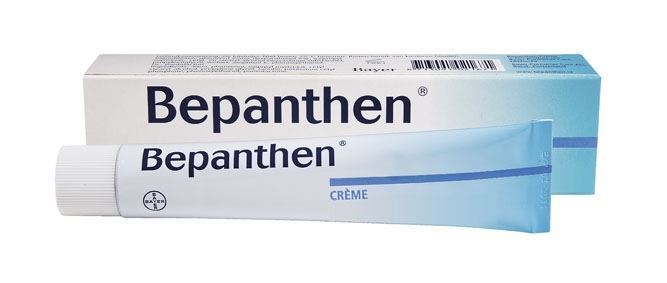
I always love using Bepanthen Cream for my daughter’s face and body, especially the dry skin area. This is my favorite multipurpose-cream thus far. It helps promote the natural healing of your baby’s delicate skin. It also treats eczema without using steroids. I got this product from my Mother-in-law who usually buys it in France. You may find it on Amazon as well.
Skin folds #
While moisturizing with lotion, moisture can get stuck in all those skin folds which cause rashes. At 3 months old, baby will start drooling more and more, you should make sure baby’s skin isn’t damp. Milk or food remnants could be stuck in the skin folds, especially the neck. You should wipe baby’s mouth and neck after each meal, and make sure baby wears a bib during mealtime.
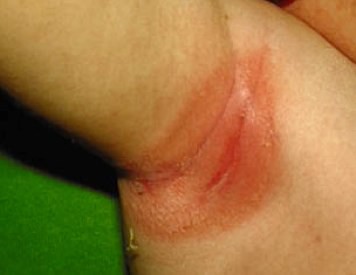
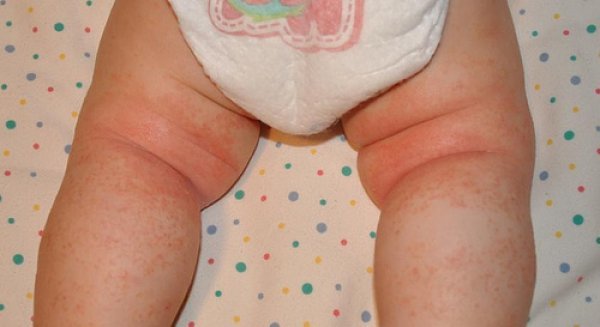
A few tips on routine cleaning skin folds #
- ALWAYS check your baby’s skin folds daily, to look for any abnormal signs of redness / blisters/ rash under the neck, both armpits, between fingers, abdomen, both groins, diaper area, both thighs, knees, and between toes.
- During bath time, wash carefully with soap and lukewarm water to clean between the skin folds
- Dry with soft towels
- If rash occurs, apply over-the-counter lotion or cream (Bepanthen Cream, Vaseline, Aquaphor, etc.) in between skin folds to avoid frictions and sooth baby’s discomfort
- AVOID scratching or picking the skin folds If the rash appears to be bumpy, blistery, moist whitish pink, it could be a sign of a “yeast infection”, which requires a visit to the doctor for an antifungal cream prescription
- Rashes will typically clear up in a few days
Eczema #
The most common dry skin problem in baby is eczema. It is a dry, scaly itchy patches that often appears on baby’s cheeks and forehead, but can also occur anywhere (scalp, elbows, behind the knees, etc. ).
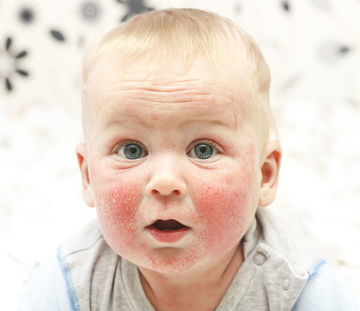
A few tips on preventing dry itchy skin, or eczema #
- Try once-a-week bathing
- Use only ointment or lotion on dry skin areas
- Make sure baby wears only soft clothing like cotton
Use over-the-counter topicals to treat eczema, such as (Aveeno Eczema Relief, Wild Natural Eczema Cream, Eucerine Eczema Relief, E-RAORGANICs Eczema Relief, Burt Bee, Bepanthen Cream, etc.)
If rash fails to improve (severe itching, diffuse redness, pustules, etc.), you’ll need to bring baby to the doctor. They may prescribe a short course of “low-potent steroid cream”, Hydrocortisone 0.2% Cream which is safe for baby to alleviate their symptoms quickly.
Diaper Cream #
Routine diaper care is one of the most important caretaking skills for parents to keep the baby’s bum dry and healthy.
A few tips on routine diaper care #
- Check diapers frequently when wet or soiled
- Wash with soap and lukewarm water especially after each pooping
- Use baby wet wipes (Huggies, Pamper, etc) to clean the diaper area
- Pat dry the skin, let the diaper area air-dry fully before putting on a fresh diaper
- Apply a thin layer of protective ointment, such as CURAD, Desitin, Mitosyl Pommade, A&D, etc. before putting a new diaper. Frequent application of the diaper cream containing either petroleum jelly (Vaseline) or zinc oxide (Desitin, Mitosyl Pommade, A&D) provides an effective barrier against skin irritants
Diaper Rash #
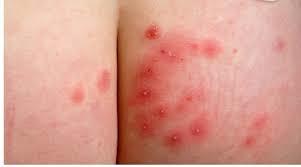
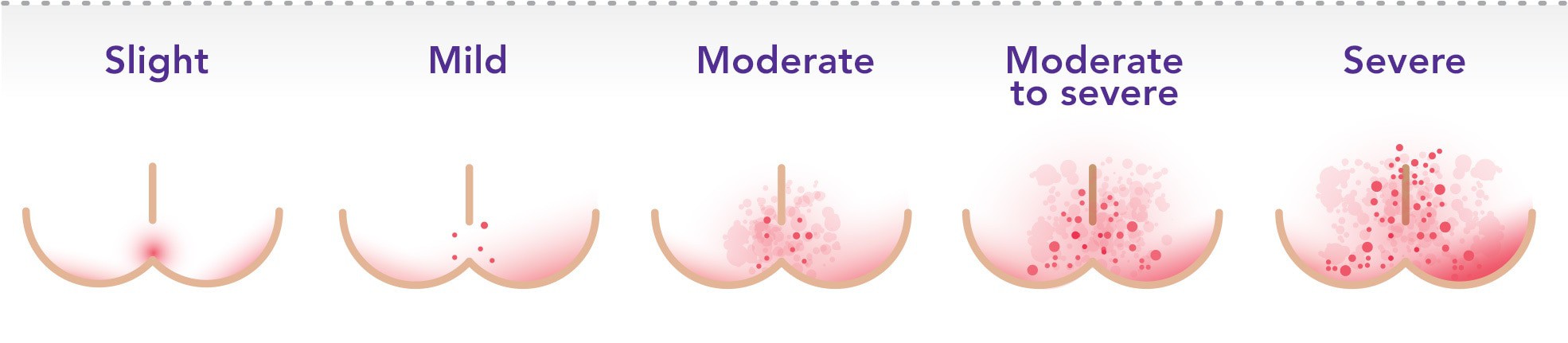
Some babies may get diaper rash in their first year. Diaper rashes usually aren’t serious and disappear within a few days with the help of diaper rash creams. The key is to know the difference between a plain diaper rash, a yeast diaper rash and a bacterial diaper rash.
The plain diaper rash is usually clears up with over-the-counter cream (Desitin, Mitosyl Pommade, or A&D).
The yeast diaper rash is bright red skin with a series of “satellite” spots in the skin folds. You will need some extra help from a prescription antifungal cream (Nystatin). The bacterial diaper rash - called impetigo - is more serious than the other ones. It is usually caused by Staph or Strep infections. Classic signs of impetigo include tiny blisters that tend to easily rupture leaving multiple erosions in the affected area. The doctor will visualize the rash, do a culture swab and prescribe antibacterial ointment or oral antibiotics respectively based on the severity of symptoms.
Remember, the most important key of treatment is to let the skin “BREATHE*. Your baby should be diaperless for 1-2 days, open-air-exposure is extremely effective in helping clear up diaper rash.
Detergent #
You should wash your baby’s clothing before it’s worn. I am currently using Babyganics - organic laundry detergent - that is fragrance- and dye-free. I also wash her clothes, bedding, and blankets separately from the family’s laundry.
Baby Powder #
Try to AVOID using baby powder, as baby could inhale the powder into their lungs, and that could cause breathing problems. For a dry skin, you can just pat the skin with a soft clean towel and it works just fine.
Sunscreen #
Sunscreen is NOT recommended for babies under 6 months old. If your family is going for a day trip (beach, hiking, camping, etc.) on a sunny day, it is essential to avoid sun burns or heat rashes by using sunscreen for baby over 6 months old. I am currently using URIAGE BARIÉSUN Lait Enfants SPF50+, you can check out other brands as well at the store.

I hope this post will give you helpful tips to keep your baby skin soft and glowing. These hygiene habits will eventually become useful for you and/or your spouse to practice and maintain the baby’s skin healthy.
-NVL