Rash after Fever in Children
Disclaimer: Always seek the advice of your doctor regarding any questions or concerns.
Children Viral Rash #
Recently, my 10-month old daughter became sick and was diagnosed with Roseola (a viral illness causing high fever and rash). Roseola is one of most common viral rashes in infants and toddlers. Parents are often confused when their child is diagnosed with “viral rash” or “viral illness”. What is “viral illness”? Why would doctor only suggest that rash is part of a self-limiting illness? Why can’t antibiotics treat viral infections?
In this blog, I want to take the opportunity to share my personal and clinical experiences, and explain the five most common viral rashes in children, so that parents can feel more at ease when they see a rash on their child’s skin.

What are viruses? #
Viruses are very tiny infectious agents which can cause illness in people when they are present in their bodies. They live in the cells of our bodies where they replicate and mutate to keep themselves alive. Viruses cannot survive outside someone’s body – this is why it is important to try to minimize the passing of illnesses to stop the replication and growth of viruses. A good example of a persistent range of viruses is the flu. However viruses like Polio have been exterminated after they were contained and it was ensured nobody could pass them to someone else.
What are the most common viral rashes in children? #
In this post, I only focus on the 5 most common childhood viral rashes, including classic signs and symptoms, treatments and preventions for parents to monitor your child at home. I will not go into details of the causes, epidemiology, lab testing, complications or prognosis of each disease.
- Measles
- Scarlet Fever
- Rubella
- Dukes’ Disease (no longer in use)
- Erythema infectiosum
- Roseola
Measles #
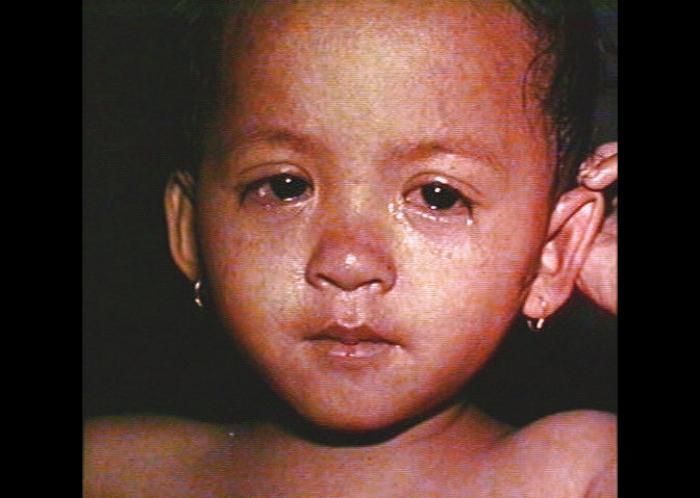
Measles – also called 10-day measles – is a very contagious viral illness that usually consists of a high fever, cough, runny nose, conjunctivitis and rash. It is an airborne disease which spreads easily through the coughs and sneezes of infected people.
Symptoms of Measles to watch for #
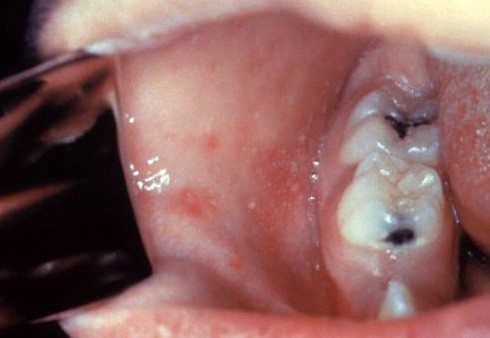
- On day 1-3, your child may experience up to four days of high fever often greater than 40C (104.0F), and a severe, brassy cough, runny nose, conjunctivitis. The classic sign of measles: the nose and eyes run continuously. You may also notice blue-white spots with a red halo appear inside the mouth.
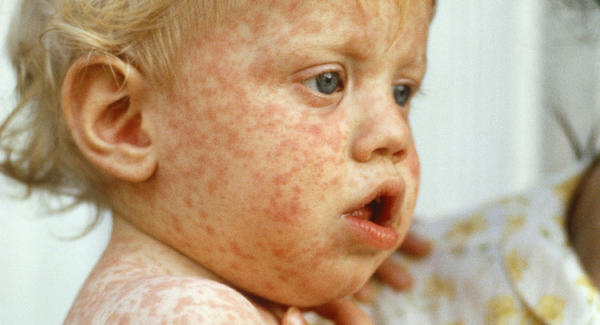
- On day 4-10, a red, flat rash usually starts on the face and behind ears, and then spreads to the rest the body. The rash may change color from red to dark brown, before disappearing within 2-3 weeks.
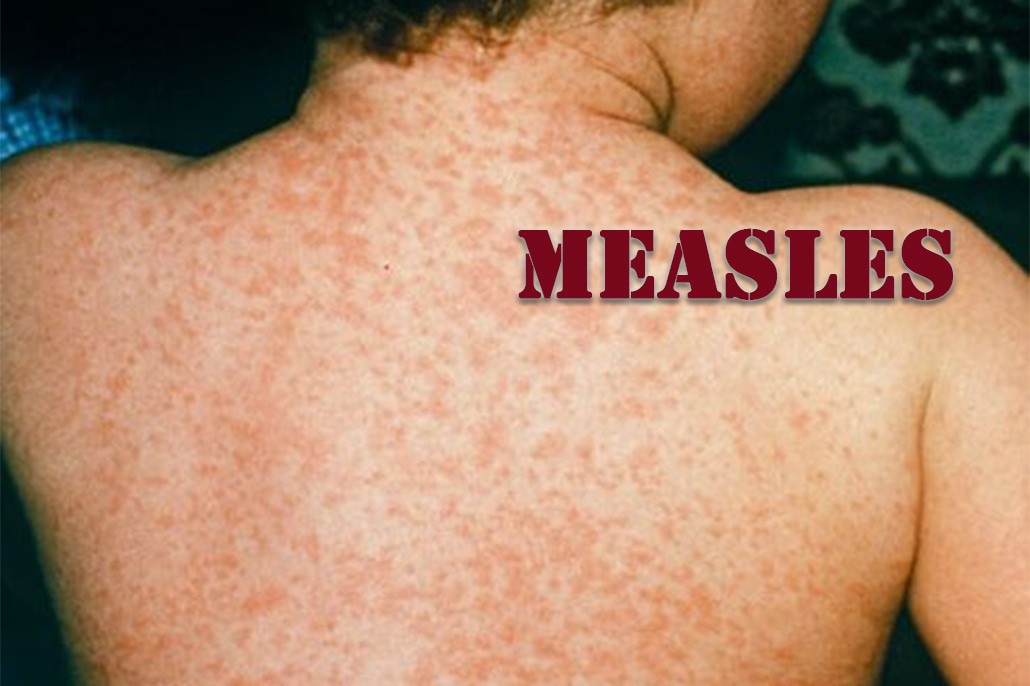
For uncomplicated measles, there is no specific treatment. Rest is key, try to reduce the fever and support comfort care at home for your child.
Scarlet fever #
Scarlet fever is a disease which can occur as a result of a bacteria called “strep”. The signs and symptoms include a fever, sore throat, headaches, swollen lymph nodes, and a rash.
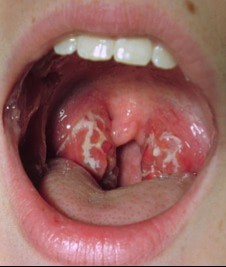
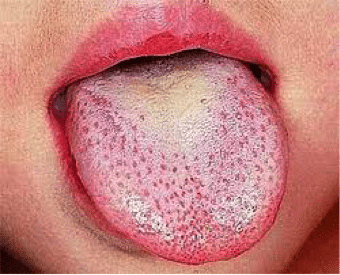
The rash begins after 1-2 days following the onset of strep throat. The rash is red and feels like “sandpaper” and the tongue may be red and bumpy, which is called a “strawberry tongue”. Having scarlet fever, your child may have red cheeks and a pale area around the mouth.
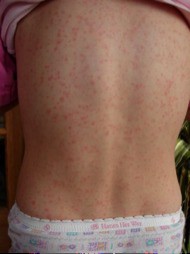
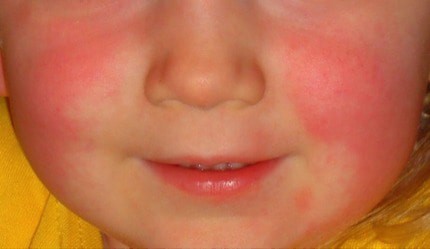
The mainstay of treatment for scarlet fever is to give oral antibiotics (Penicillin or Amoxicillin) to combat the strep infection. Then you should continue to support comfort care for your child at home.
Rubella #
Rubella – also called German measles, or 3-day measles – is an infection caused by rubella virus.
A rash may start around two weeks after exposure and last for 3 days. It usually starts on the face and spreads to the rest of the body. The rash is sometimes itchy and is not as bright as measles.
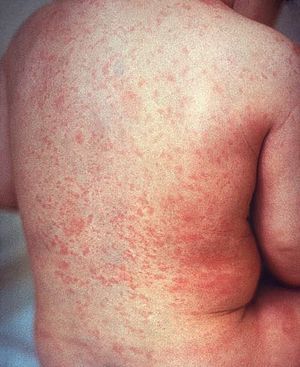
A fever (less than 38C or 101F), sore throat, enlarged lymph node, and fatigue may also occur.
The treatment plan for rubella is also supportive care and maximize comfort for your child.
Erythema infectiosum #
Erythema infectiosum, or “Fifth Disease” is caused by parvovirus B19. It starts with a low grade fever, headache, rash, and cold-like symptoms, such as runny or stuffy nose. These symptoms pass, then a few days later, rash will appear.
The bright red rash most commonly appears in the face, particularly the cheeks, often called “slapped cheeks”. Your child may develop a red, lacy rash on the rest of the body. Some Fifth Disease rashes can last 2-3 weeks.
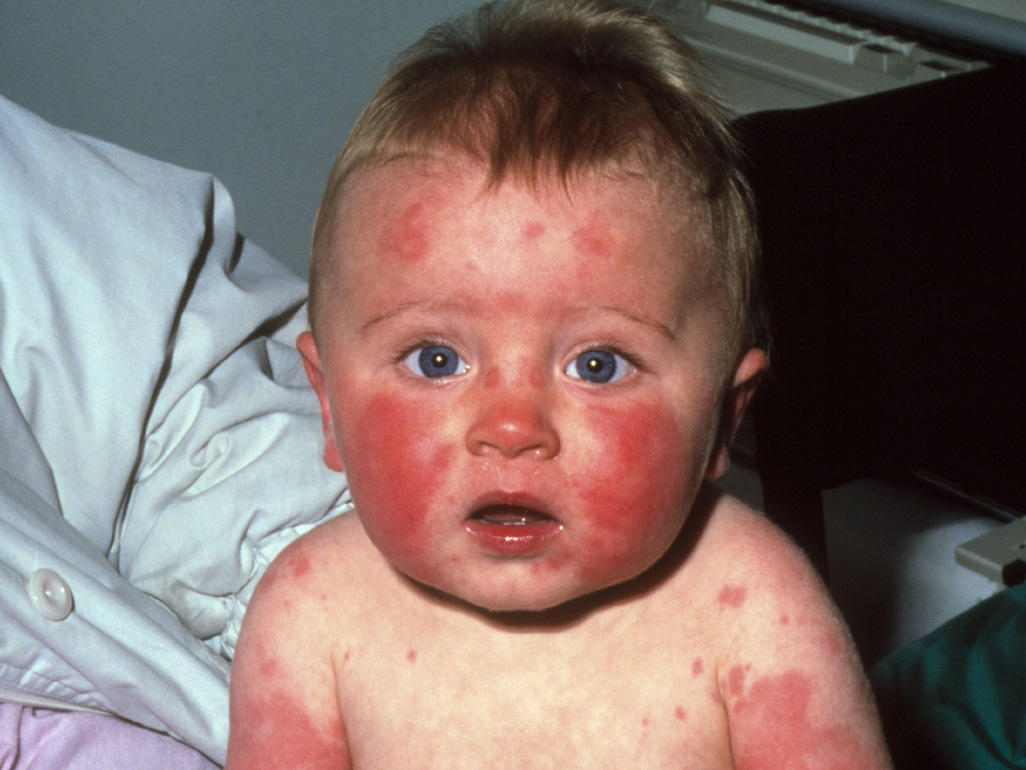
The primary treatment for Fifth Disease is also supportive care and monitor symptoms appropriately.
Roseola #
Roseola is caused by herpes, or more specifically either Human Herpesvirus 6 (HHV-6) or Human Herpesvirus 7 (HHV-7). It is spread usually through saliva of those who are otherwise healthy. Roseola typically affects children between 6-24 months of age.
It begins with a sudden high fever (39-40C, 102-104F). In rare cases, this can cause “febrile seizure” due to the sudden rise in body temperature, but in many cases, the child appears normal (see red flags below).
After 3-5 days, the fever subsides, and just as the child appears to be recovering, a red rash appears. The rash is not itchy, and may last 1-2 days.
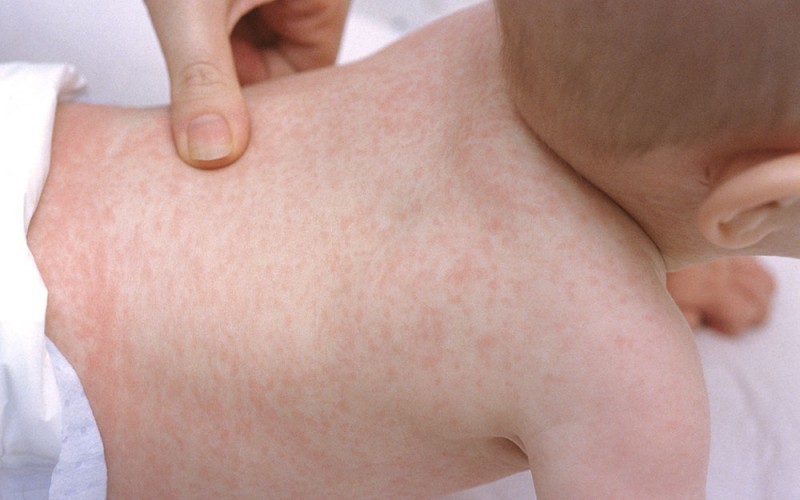
The mainstay of treatment for Roseola is supportive care and monitor symptoms appropriately.
Tips for supportive care at home #
Fever (defined as greater than 38-40C, or 100-104F) #
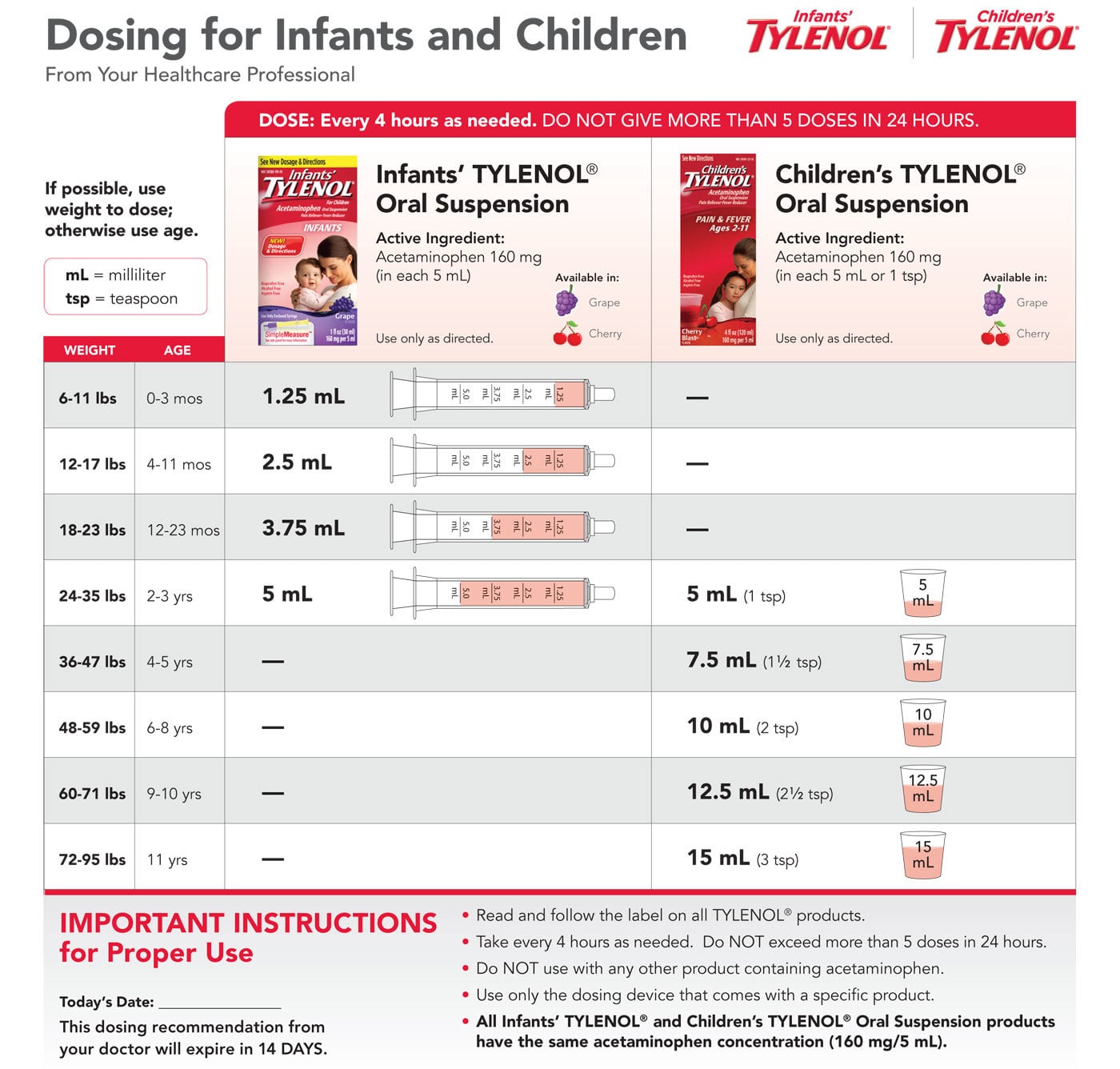
When your child’s temperature rises, it’s a sign that their immune system is working hard to fight the viruses. So it’s best to let the fever run its course unless they seem uncomfortable. The most important thing is to monitor your child’s temperature. You may use antipyretics, such as over-the-counter Children’s Tylenol, or Children’s Motrin every 4-6 hours as needed to reduce fever and ease the body aches. But, DO NOT overdo it.
Precautions when giving antipyretics #
- Check the correct dosage based on your child’s current weight on the label before giving the medication
- AVOID giving Aspirin or Ibuprofen to infants younger than 6 months!
- It is very important to have a good thermometer near your bedside to check your baby’s temperature frequently. I am currently using Braun Forehead Thermometer. With the Braun thermometer, you can just aim at the baby’s forehead and the temperature is instantly displayed on the screen. You can use it without waking up your baby at night. It is accurate, quick, and easy! *A five-minute bath in lukewarm water can help your child feel cooler and can lower their temperature
- AVOID overdressing your baby!
- Your child loses more water when their body’s fighting a fever, so make sure you offer them plenty of fluids to keep them from becoming dehydrated.
Cough, Coryza and Conjunctivitis #
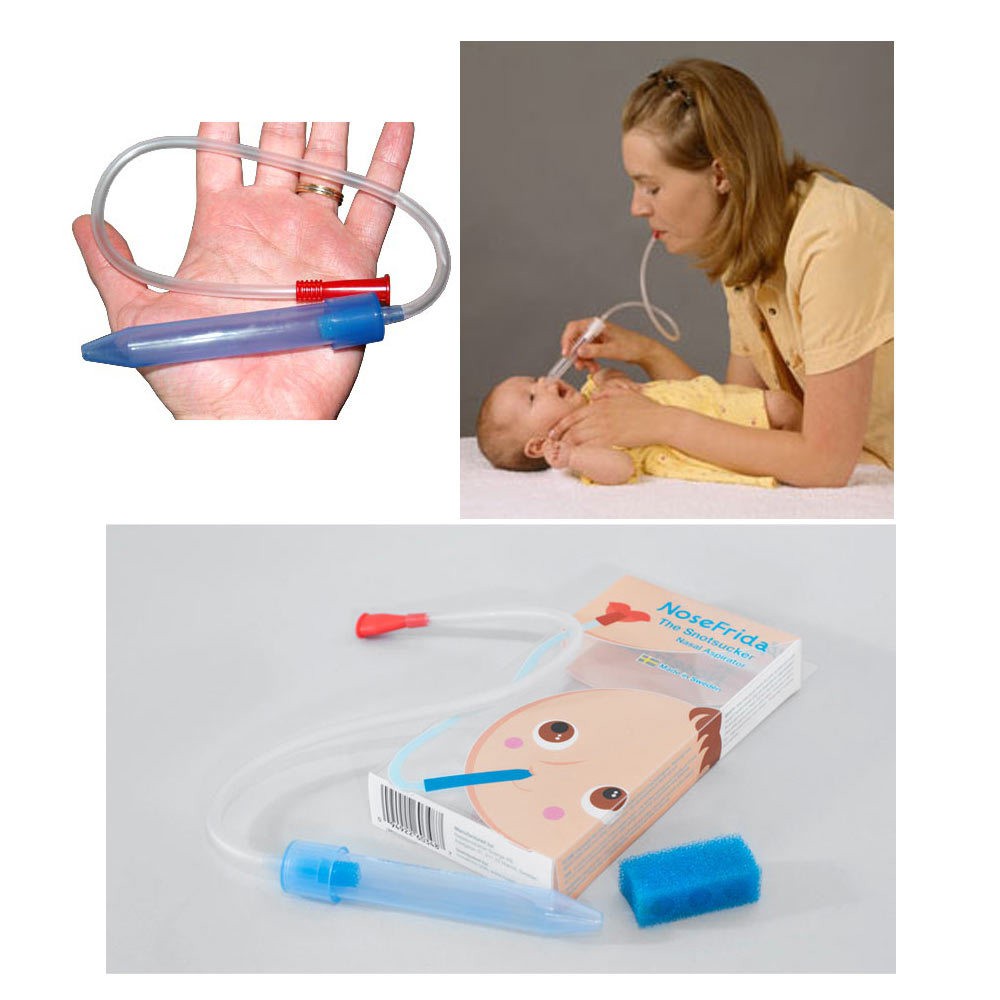
- For runny or stuffy nose, you can loosen up clogged mucus with a few drops of saline solution, then suck it out with a suction bulb or nasal suction tub
- Use Vicks Vapor Rub to baby’s chest to loosen up the mucous and ease the cough
- Elevate head of your child with an extra pillow at night so any mucous can drain. For babies, you can raise the head of the crib mattress by placing a wedge or pillow under the mattress
- Moisten the air by using a humidifier in the bedroom to loosen the mucus
- For viral conjunctivitis in children, you can use warm compresses on the eyes for comfort. Clean the edges of the infected eye carefully with warm water and gauze or cotton balls. This can also remove the crusts of dried discharge that make the eyelids stick together in the morning
- Keeping hands clean is one of the most important steps we can take to avoid getting sick and spreading germs to others
Red Flags #
Febrile seizure #
When fever rises rapidly in children, a convulsion can occur and be frightening. A child having a febrile seizure may have a fever higher than 38C (101F), lose consciousness, shake or jerk its arms and legs. Febrile seizures can last a few minutes (may feel like eternity for you). Fortunately, some cases are harmless and typically don’t indicate a serious health problem. Febrile seizures most often occur within 24 hours of the onset of a fever.
Please call 911 for an ambulance to take your child to the nearest Emergency Room immediately if a seizure lasts longer than 5 minutes or is accompanied by: vomiting, a stiff neck, breathing problems, or extreme sleepiness.
Other red flags #
- Trouble breathing
- Wheezing
- Drooling
- Oral swelling
- Increased breathing rate
- Labored breathing
- Using accessory muscle to breath
- Nasal flaring
- Increased vomiting
- Increased diarrhea
- Unable to tolerate oral fluids
- Dehydration
- or any signs of distress => Please go to the nearest Emergency Room!
Treatment and Prevention #
As you can see, most of the treatment plans are quite similar for viral rashes. Supportive care is always a mainstay of treatment. Rashes tend to indicate the end of the most common viral illnesses, in which the child’s immune system has worked hard to fight the viruses. Rashes usually resolve after a few days or weeks. There is no specific treatment for the rash itself. Antibiotics won’t treat viral infections because they can’t kill viruses. Antibiotics can only treat bacterial infections (ear infections, strep throat, urinary tract infection, pneumonia, etc). The child will get better when the viral infection has run its course.
The main purpose of this post is to help you to identify common viral rashes, and to make the right choices on how to prevent some viral illnesses in children. I highly recommend you take your child to a pediatrician on a regular basis to check on its wellbeing, and give your child all required vaccines. In addition, it is also important to engage children in healthy eating and regular exercise. Children should eat more fruit and vegetables. You may show them that fruit and vegetables are delicious and fun, and get them excited about eating healthy foods. You should also teach your child to wash their hands, especially before eating a meal, after using the bathroom, and after working or playing with their hands. These healthy habits are important to start at an early age because changing habits is much harder as getting older.

Thank you for visiting my site and taking a moment to read my first blog entry! - NVL
Sources: UpToDate #
- UpToDate - Measles: Clinical manifestations, diagnosis, treatment, and prevention
- UpToDate - Rubella
- UpToDate - Roseola infantum (exanthem subitum)
- UpToDate - Clinical manifestations and diagnosis of parvovirus B19 infection
- UpToDate - Scarlet Fever